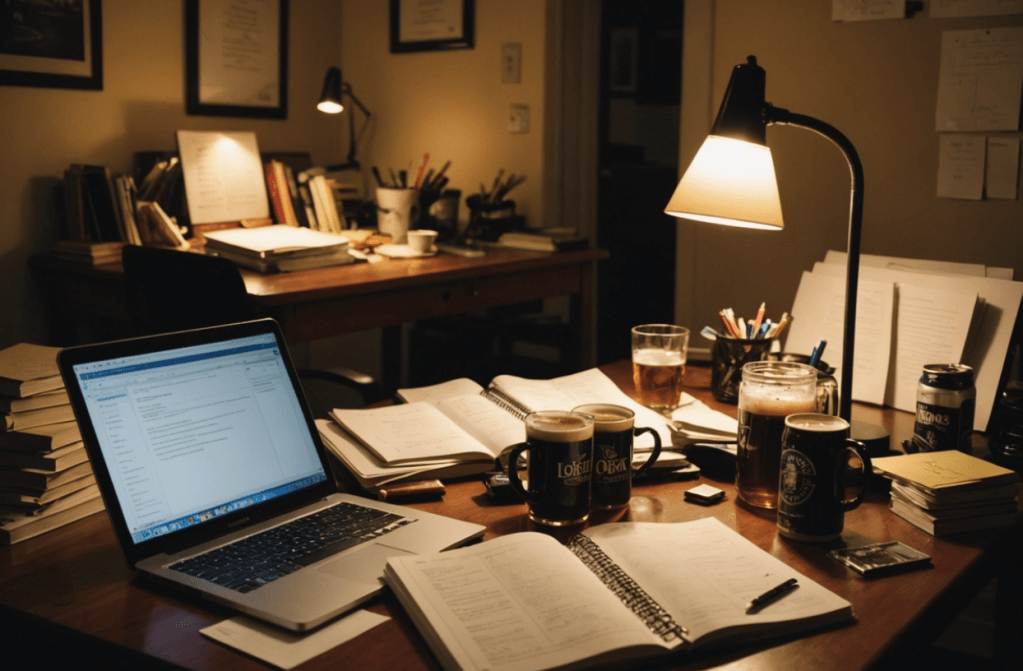
Caffeine Use and Circadian Rhythm Disruption
Caffeine is widely used by teenagers and college students, with about 80 percent consuming it regularly (Reichert et al.). While it can temporarily reduce sleepiness, caffeine blocks adenosine in the brain, which interferes with natural sleep pressure. Evening caffeine intake can suppress melatonin and delay the biological night, leading to shorter, less restorative sleep and higher daytime sleepiness (Reichert et al.).
Caffeine, Energy Drinks, and College Students
College introduces irregular schedules, academic demands, and social activities that often reduce sleep. Caffeinated drinks and energy drinks are frequently used to combat fatigue, but they can increase daytime sleepiness and push students toward an evening chronotype, making early sleep difficult (Tran et al.). High caffeine intake may also cause headaches, energy crashes, and cardiovascular issues (Tran et al.).
Alcohol Use and Sleep Disturbance in College Students
Sleep problems and heavy drinking are common in college, with about 70 percent of students experiencing poor sleep and nearly half engaging in heavy episodic drinking (PubMed). Alcohol may help with falling asleep, but it disrupts REM sleep and reduces sleep quality (PubMed). Higher alcohol use is linked to shorter sleep, irregular schedules, delayed bedtimes, weekend oversleeping, and daytime impairment (PubMed). Poor sleep can also lead to more alcohol use, creating a cycle of disruption.
Alcohol, Irregular Sleep, and Circadian Rhythm
Many students sacrifice sleep for school and social commitments, then oversleep on weekends, disrupting their circadian rhythm. Frequent alcohol use makes maintaining a stable sleep–wake schedule harder. Students who drink more often report higher levels of sleep disturbance and reduced sleep quality, which further misaligns their body clock (PubMed).
Caffeine and alcohol can disrupt college students’ sleep and throw off their natural body clock. Limiting late-day caffeine, moderating alcohol, and keeping consistent sleep schedules can help improve sleep quality and daytime energy. Small changes, like a relaxing bedtime routine, can make a big difference in staying alert and healthy.
 College circadian health